
What is Music Therapy?
Music therapy allows us to engage your child’s individual support needs through music and play. In a music therapy session, you will see music being used as the tool to help facilitate growth in their non-musical goals.”
Who would Benefit?
Autism Spectrum Disorder
ADHD
Cerebral Palsy
Down Syndrome
Developmental Delay
Individuals with Social-Emotional Needs
Speech, Language, or Communication Disorders
Sensory Processing Difficulties
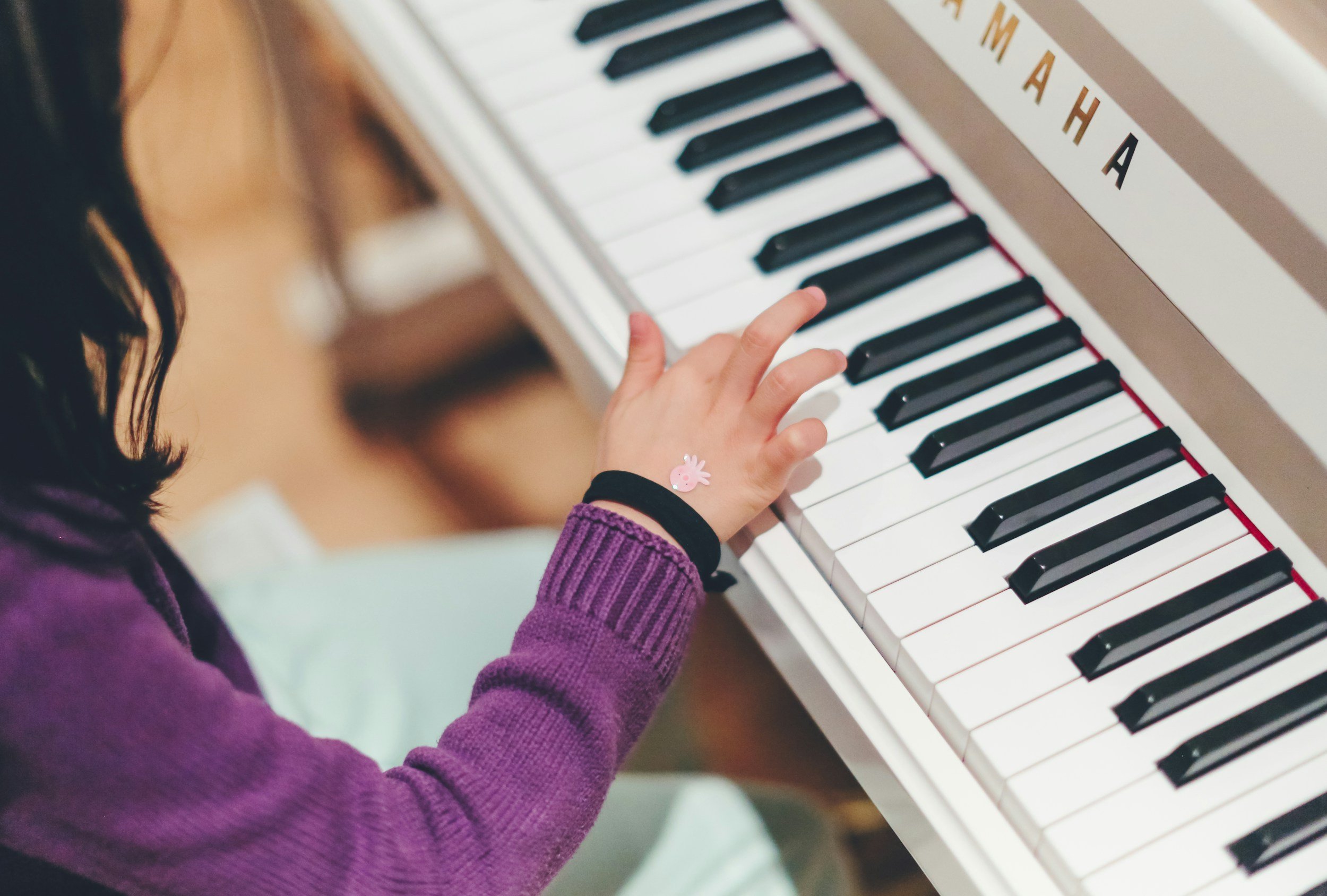
Little Singers
Little singers is a music-based therapy group for children ages 18 months to 2 years, 11 months with expressive language delays, designed to support early communication through play, music, and movement. Using songs, fingerplays, instruments, and interactive routines, children are supported in developing expressive communication skills such as vocalizing, imitating sounds and words, using gestures or signs, making choices, and engaging in turn-taking, all within a predictable and engaging musical structure. Sessions are play-based and child-led, allowing each child to participate at their own level while also supporting joint attention, social connection, and shared enjoyment. Sessions will be Tuesdays from 9-9:45.
Rhythm and Regulation
Rhythm and Regulation is a music-based therapy group for preschool-aged children (approximately 3–4 years old) with an Autism diagnosis, designed to support regulation, communication, social skills, and attention through structured, engaging musical experiences. Using rhythm, movement, songs, and instrument play, children are supported in building self-regulation, participating in shared activities, following routines, communicating wants and needs, and engaging with peers, all within a predictable and supportive musical framework. Sessions emphasize connection, flexibility, and success at each child’s individual level while encouraging collaboration, turn-taking, and meaningful participation alongside peers in a nurturing group setting. Sessions will be Thursdays 10:15-11.
Music Connection
Music Connection is a social-based music therapy group for adolescents ages 13–18 designed to support communication, social connection, self-expression, and engagement through shared musical interests. Participants explore music, lyrics, artists, and genres as a meaningful way to practice conversation skills, perspective-taking, collaboration, and respectful discussion with peers. Sessions may include listening to and discussing songs, analyzing lyrics and themes, building individual and group playlists, sharing preferred music, engaging in music-based games, and participating in collaborative decision-making activities. Music is also used to explore identity, emotions, and regulation by noticing how rhythm, tempo, and lyrics impact mood and attention. Music Connection provides a supportive and inclusive space where teens can connect with others, build confidence in social interactions, and use music as a bridge for communication, creativity, and connection. Sessions will be Thursdays 5-5:45.
Music Therapy Groups
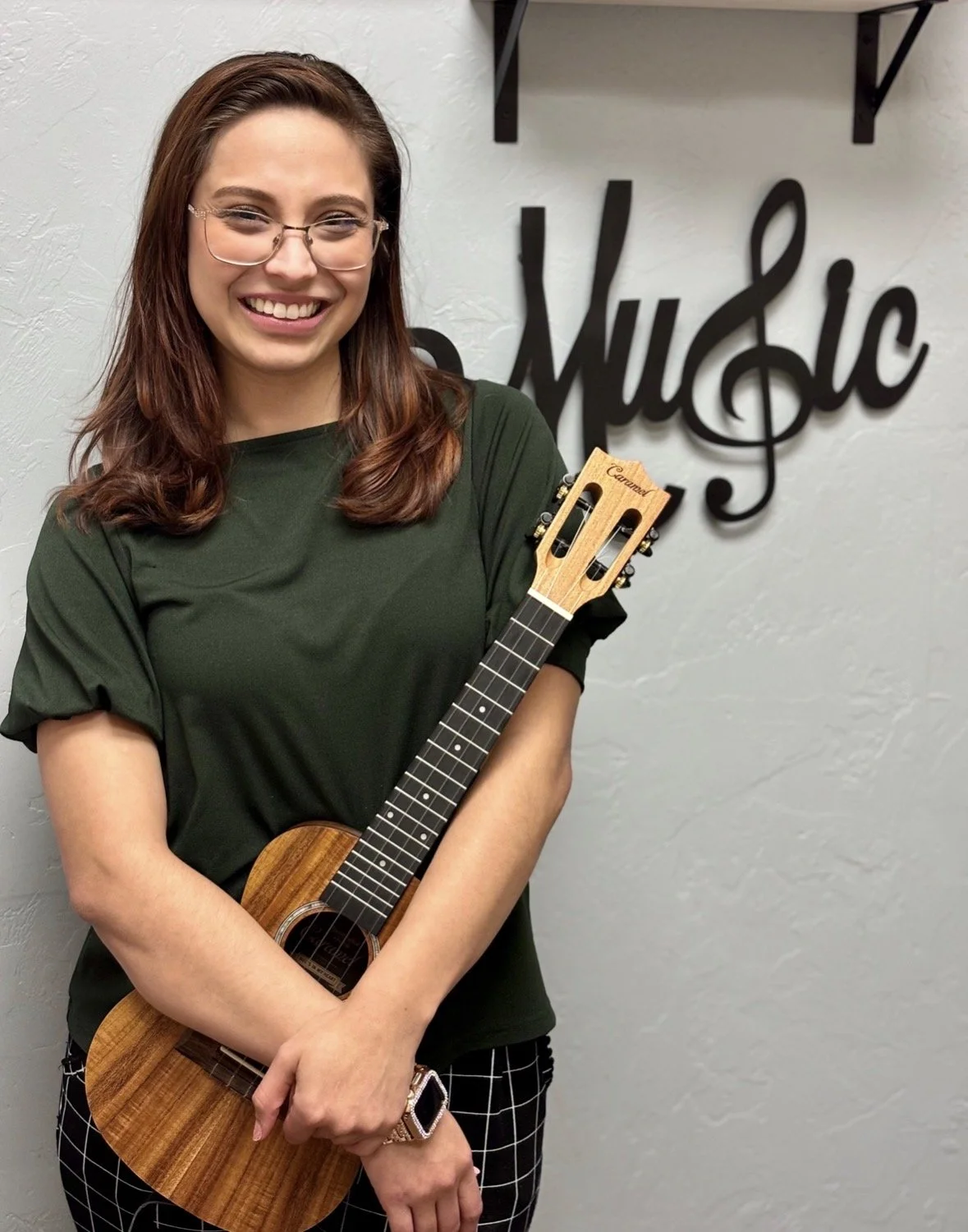
Meet Miss Dani
Danielle, or “Ms. Dani,” is a board-certified music therapist (MT-BC) who earned dual Bachelor’s degrees in Psychology and Music Therapy from Arizona State University (ASU) in 2018. Her additional studies in Family and Human Development sparked a deep interest in early childhood services and the vital role of parent-child relationships. She completed her music therapy internship in Pasadena, California at Professional Child Development Associates (PCDA) where she learned about DIR/Floortime strategies, a model which further inspired her passion for an individualized, play-based approach. Ms. Dani practices from a child-centered, neurodiversity-affirming framework: She is committed to fostering growth through joyful connection and embracing musical play! Outside of her work, Danielle loves spending time with her husband and their three dogs. She also enjoys crafting, aerial yoga, and leaving a trail of glitter wherever she goes!
The Benefits
Your child might benefit from music therapy if you notice your child:
● Orients or reaches towards music/instruments
● Displays increased attention or engagement during musical interactions
● Displays increased vocalization when presented with musical stimulus
● Displays positive emotional response when engaging with music
● Initiates more in play when music is present
● Attempts to synchronize with music
● Regulates when music is present
● Is highly motivated by music
Benefits of Music Therapy include but at not limited to:
● Improves Expressive and Receptive Communication
● Increases Engagement and Attention
● Enhances Socialization and Reciprocity
● Supports Emotional Regulation
● Supports Gross and Fine Motor Skill Development
● Addresses Sensory Processing and Integration Needs
● Promotes Initiation, Independence, Self-Efficacy and Adaptive Skills
Important note: Music therapy is not currently reimburseable through insurance. Music therapy will be private pay only (ESA/FSA/HSA accepted).
For music therapy rates, fill out the contact form above.